
While the frustration behind this message is understandable, the truth—as it often is in women’s health—is more nuanced.
Let’s clear the noise and talk about what’s actually happening physiologically, what’s being misunderstood, and how we can empower women without dismissing real hormonal changes.
Symptoms Are Real—But Labels Matter
Fatigue.
Bloating.
Anxiety.
Weight gain.
Poor sleep.
Mood changes.
These symptoms are real—and they are incredibly common in women in their 30s and 40s. The problem isn’t that women are feeling these things. The problem is when we rush to label every symptom as “perimenopause” without understanding the underlying physiology.
Perimenopause is not a diagnosis based on vibes, trends, or TikTok reels. It’s a specific neuroendocrine transition, and when misused, the label can actually take power away from women instead of giving it back.
What Perimenopause Actually Is (and Isn’t)
Perimenopause is not ovarian failure.
It’s not estrogen “running out.”
And it’s not a disease.
Clinically, perimenopause involves:
- Changes in hypothalamic–pituitary signaling
- Altered FSH pulsatility
- Progesterone decline first, often years before estrogen shifts
- Increased cycle variability before periods stop altogether
This transition most commonly begins in the late 30s to early 40s, but timing is highly individual—and heavily influenced by stress, inflammation, metabolic health, and nervous system regulation.
So yes—some women can experience early hormonal shifts. But no—that does not mean every tired woman in her 30s is “in perimenopause.”
Stress Is Hormonal—Not Separate From It
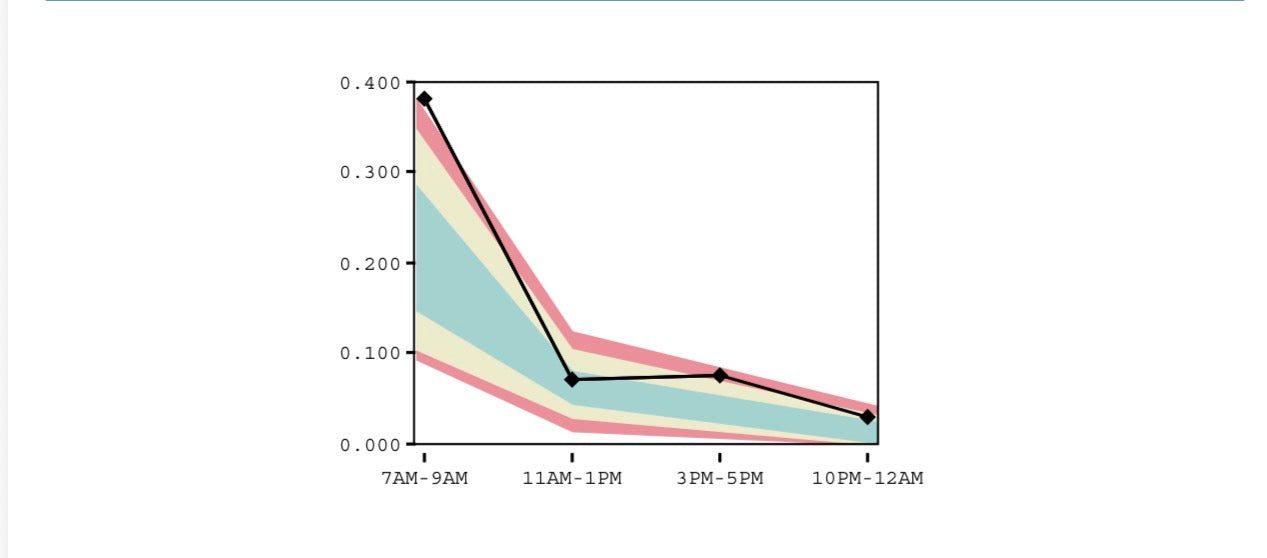
One of the biggest misconceptions in this debate is the idea that if symptoms are driven by stress, they’re not hormonal.
That’s simply not true.
Chronic stress impacts:
- Cortisol signaling
- Progesterone production (via pregnenolone steal)
- Ovulation consistency
- Blood sugar regulation
- Thyroid conversion
- Estrogen clearance pathways
Stress doesn’t replace hormones—it rewires them.
So when a woman is exhausted, bloated, anxious, and inflamed, the correct question isn’t:
“Is this perimenopause or not?” It’s:
“What systems are under load, and why?”
Where the Pharma Narrative Gets It Wrong
The concern raised in the podcast—that women are being funneled into lifelong hormone dependency without root-cause evaluation—is valid.
Where the argument falls apart is when it implies:
- Hormonal transitions aren’t real
- Early shifts shouldn’t be discussed
- The term “perimenopause” itself is a lie
Women don’t need fewer conversations about hormones.
They need better ones.
What’s disempowering isn’t the concept of perimenopause—it’s skipping:
- Nervous system regulation
- Blood sugar balance
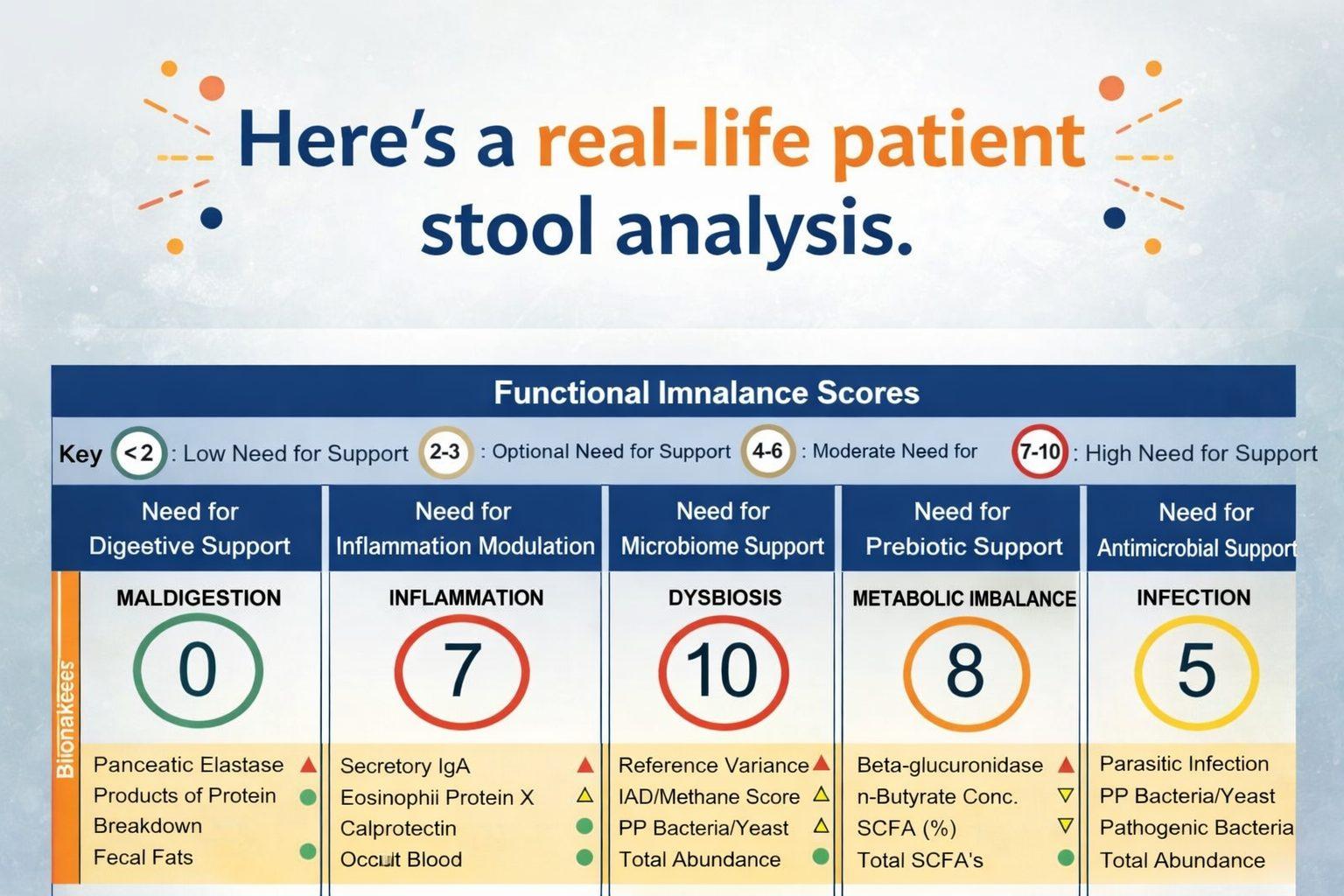
- Gut and liver detox pathways
- Micronutrient deficiencies
- Trauma, sleep, and circadian rhythm health
…and jumping straight to pellets, patches, or prescriptions.
A Better, More Empowering Approach
An empowering model of women’s health does not deny hormonal change.
It contextualizes it.
That means:
- Testing before treating
- Understanding functional ranges, not just “normal”
- Supporting progesterone naturally when appropriate
- Addressing cortisol, insulin, and inflammation first
- Teaching women how to work with their bodies—not fear them
Women are not broken at 35.
They are adaptive, responsive, and resilient.
But their bodies do speak—and we need to listen accurately.
The Bottom Line
Not every symptom is perimenopause.
But not every hormonal shift is a lie.
The real danger isn’t the word “perimenopause.”
It’s oversimplification, fear-based marketing, and skipping physiology.
When we slow down, test wisely, and treat the whole system, women don’t lose power—they reclaim it.